
GABORONE, Sept. 24 — Botswana exporters are positioning themselves to take advantage of China’s expanded zero-tariff access for African products, as recent trade figures point to the growing importance of the Chinese market to the country’s export sector.
From May 1, China extended zero-tariff treatment across 100 percent of tariff lines to all 53 African countries with which it maintains diplomatic relations, including Botswana.
The measure gives qualifying Botswana products duty-free access to the Chinese market and creates new opportunities for producers seeking to expand beyond traditional export destinations.
The opening comes at an important time as Botswana seeks to diversify an economy historically dependent on diamonds and develop new sources of export revenue.
Already, China is emerging as an increasingly important destination for Botswana goods.
Statistics Botswana figures show that China was Botswana’s second-largest export destination in June, receiving goods worth P737.6 million and accounting for 14.9 percent of total exports. Only the United Arab Emirates received a larger share during the month.
The June figures followed the introduction of the expanded zero-tariff treatment on May 1. China’s growing share of Botswana exports illustrates the scale of the market opportunity now facing local producers.
Potential opportunities extend beyond minerals to products including beef, leather, processed foods, horticultural products, textiles and other manufactured goods.
Botswana Exporters and Manufacturers Association (BEMA) Chief Executive Officer Mmantlha Sankoloba said the policy presents significant opportunities for local manufacturers, but businesses must be adequately prepared to compete in the Chinese market.
She said BEMA is working with manufacturers to identify businesses with export potential while strengthening export readiness, product promotion and connections between Botswana producers and potential buyers.
Sankoloba said Botswana also needs to review its national export strategy to ensure that it responds to emerging opportunities in large markets such as China.
“The private sector cannot do this by itself or alone. Government and industry must work together intentionally,” she said.
Botswana enters the expanded Chinese market with potential strengths in selected products rather than the production scale of some of Africa’s larger economies.
Beef is one area where quality, traceability and Botswana’s established reputation as a producer could provide opportunities, while leather, processed agricultural products and other value-added goods could broaden the range of products reaching Chinese consumers.
Turning that opportunity into sustained exports will now depend on expanding the range of Botswana products able to enter and compete in the Chinese market.
The zero-tariff policy could also create opportunities beyond simply exporting existing products. Greater access to the Chinese market could encourage investment in processing and manufacturing, allowing more value to be added locally before goods are exported.
That would align with Botswana’s broader drive to diversify its export base and develop industries capable of generating employment and retaining more value from locally produced goods.
The beef industry demonstrates both the size of the opportunity and the practical steps still required to access individual product markets.
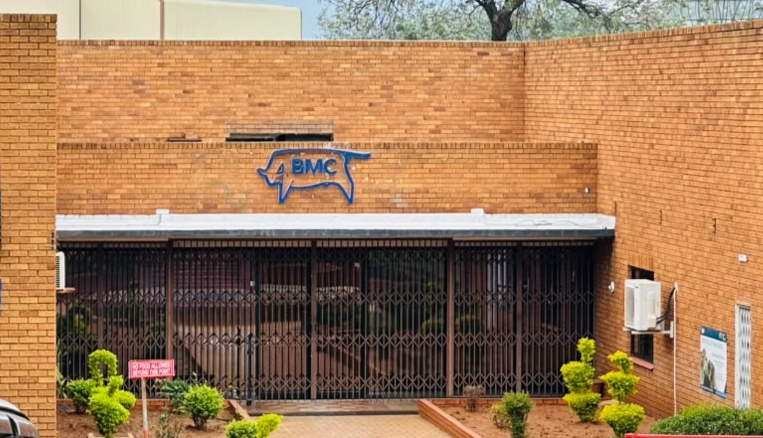
Botswana Meat Commission (BMC) Head of Sales and Distribution Mbaakanyi Mazwiduma said the commission has not yet exported beef to China because veterinary protocols required to access the market are still awaiting finalisation.
“BMC can export its beef to various markets on the back of agreed protocols between the Veterinary Authorities in the importing country and the Veterinary Authorities in Botswana,” Mazwiduma said.
“BMC has not yet exported to China as it awaits finalizations of such protocols.”
The BMC experience highlights an important distinction between tariff access and product-specific market access.
While qualifying goods can benefit from zero tariffs, products such as beef must still satisfy veterinary, sanitary and other regulatory requirements before shipments can begin.
Completing those requirements would open another potential avenue through which Botswana could expand the range of goods it sells to China.
The opportunity therefore extends beyond simply increasing the value of existing exports. The longer-term test will be whether manufacturers and agricultural producers can use preferential access to establish new products in China and whether investment in processing can help Botswana retain more value before goods leave the country.
China’s emergence as Botswana’s second-largest export destination in June shows that commercial links between the two economies are already expanding.
The zero-tariff opening now provides an opportunity to broaden that relationship beyond its current export base and bring more Botswana-produced goods into the Chinese market.