
HARARE, September 6 — Zimbabwe’s merchandise exports surged to a record US$7.36 billion in the first seven months of 2026, driven by strong mineral earnings, rising industrial production and rapidly expanding trade with China.
Exports increased 55.1 percent from US$4.75 billion during the same period last year, according to trade figures compiled by the Zimbabwe National Statistics Agency (ZimStat).
The growth outpaced a 31.6 percent increase in imports, shifting Zimbabwe’s trade balance from a US$799.5 million deficit in the first seven months of 2025 to a US$65.6 million surplus this year.
China emerged as one of the fastest-growing destinations for Zimbabwean products. Exports to China rose 142.4 percent to US$1.44 billion, increasing China’s share of Zimbabwe’s total exports from 12.5 percent to 19.6 percent.
The growth comes as Zimbabwe begins taking advantage of China’s zero-tariff treatment for African countries with which it maintains diplomatic relations. The policy took effect on May 1, opening wider access to the Chinese market for African products.
Zimbabwe has also expanded agricultural access to the Chinese market through phytosanitary agreements covering products including citrus, avocados and blueberries. The country shipped its first consignment of blueberries to China in July.
ZimTrade Chief Executive Officer Allan Majuru said China recorded the fastest growth among Zimbabwe’s three leading export markets during the period.
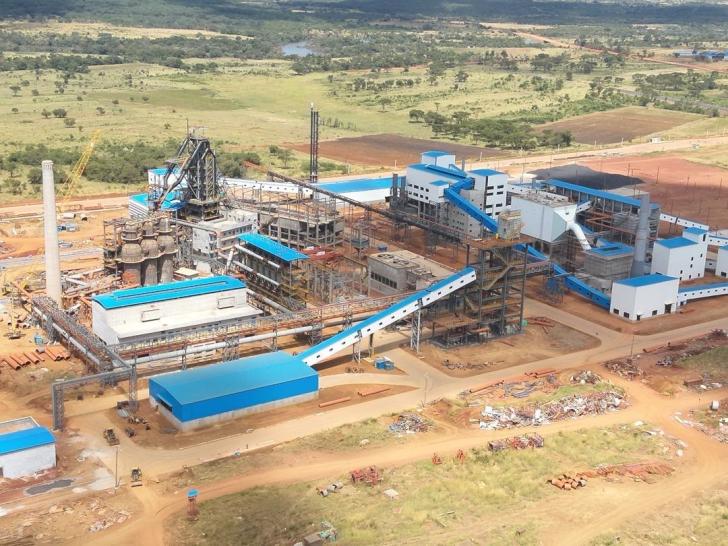
The country’s industrial exports are also showing significant growth, supported by increased production at the Chinese-backed Dinson Iron and Steel Company plant at Manhize.
The US$1.5 billion steel complex, developed by Dinson, a subsidiary of China’s Tsingshan Holding Group, has emerged as one of Zimbabwe’s largest industrial investments.
Engineering exports increased 110.4 percent to US$143.3 million during the first seven months of the year. Hot-rolled iron and steel bars generated US$43.1 million in exports, compared with no recorded exports in the corresponding period last year, while forged bars rose 339.1 percent to US$43.6 million.
The developments point to a broadening of Zimbabwe’s economic relationship with China, combining Chinese investment in local industrial capacity with greater access to the Chinese market.
However, minerals remain the dominant source of Zimbabwe’s export earnings. Mineral and alloy exports reached US$6.12 billion during the period, underscoring the challenge of diversifying the country’s export base.
Zimbabwe is seeking to use increased manufacturing, agricultural exports and value addition to reduce its reliance on raw commodity exports while expanding its presence in regional and international markets.