
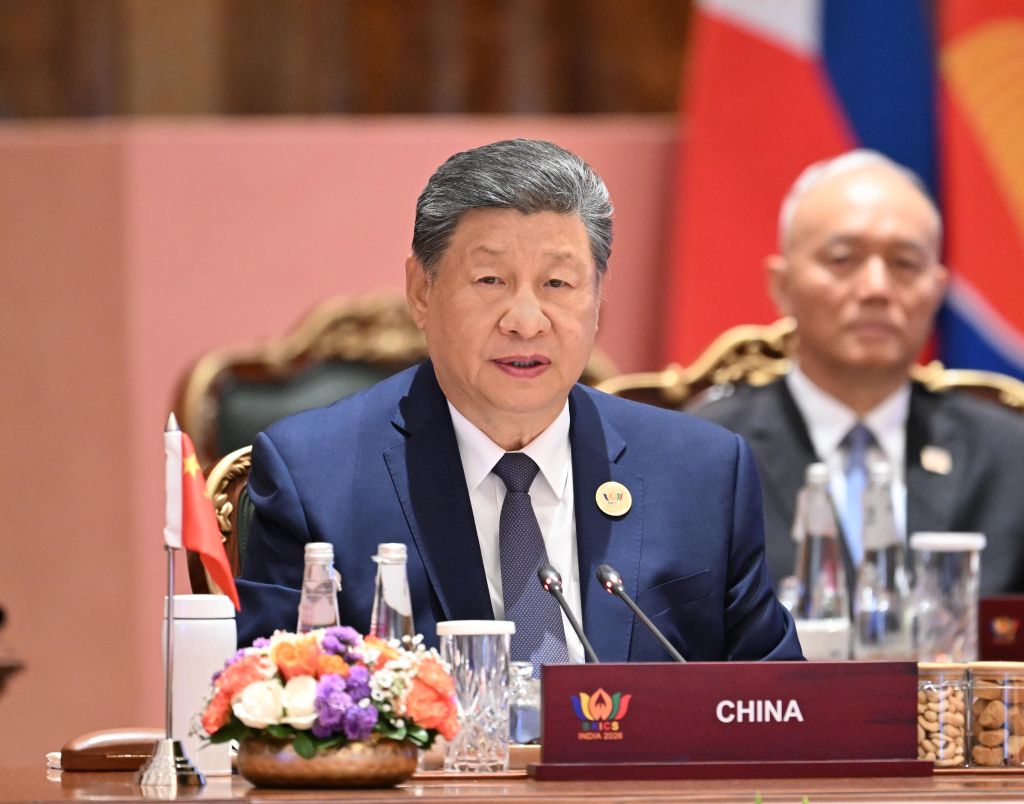
NEW DELHI, Sept. 14 — Chinese President Xi Jinping has unveiled a package of new initiatives covering artificial intelligence, special economic zones and the digital economy as China pushes for deeper cooperation among BRICS countries and the wider Global South.
Speaking at the 18th BRICS Summit in New Delhi, President Xi proposed five initiatives aimed at strengthening practical cooperation, including the establishment of a BRICS artificial intelligence open-source community and a special economic zone partnership.
Under the artificial intelligence initiative, China plans to support cooperation among BRICS countries in the development and application of large language models, organise specialised AI seminars and training programmes and promote an open AI ecosystem.
President Xi also proposed establishing a BRICS special economic zone partnership through which participating countries could coordinate policies and develop an intelligent portal to facilitate trade and investment.
The initiatives could have implications for African BRICS members South Africa, Egypt and Ethiopia as countries across the continent seek greater access to digital technologies, investment and industrial development.
Special economic zones have become an important tool for attracting investment and promoting manufacturing across developing economies. The BRICS New Delhi Declaration recognised SEZs as mechanisms for promoting trade, investment, industrial cooperation, innovation and integration into global value chains.
China’s proposals extend beyond artificial intelligence and special economic zones.
President Xi said China would push for the establishment of a BRICS digital ecosystem cloud platform while supporting digital skills training, technology exchanges and closer industrial cooperation.
China also proposed cooperation in intelligent manufacturing, including exchanges on smart factories and efforts to strengthen industrial and supply chains. President Xi said BRICS countries should develop emerging industries, upgrade traditional industries and build stronger innovation ecosystems.
The initiatives come as African economies increasingly seek to move beyond the export of raw materials towards greater industrialisation, local processing and participation in technology-driven industries.
South African President Cyril Ramaphosa told the summit that inclusive growth required greater access to technology, finance and capacity, while calling for mineral beneficiation to take place at source and for developing economies to build their own artificial intelligence capabilities.
President Ramaphosa said AI could contribute to advances in areas including agriculture, education, medicine and productivity, but stressed that its development should be accompanied by appropriate governance and safeguards.
The New Delhi Declaration similarly recognised AI as an opportunity to stimulate economic growth and sustainable development while calling for greater international cooperation to improve access to AI resources, particularly for countries of the Global South.
China will host the 19th BRICS Summit in 2027. President Xi said China would also host a BRICS Forum on Trade in Services next year as part of efforts to generate new momentum for trade and investment cooperation.
For African BRICS members, the significance of the initiatives will ultimately depend on how the proposals are implemented and whether they translate into investment, technology transfer, skills development and greater participation in digital and industrial value chains.