
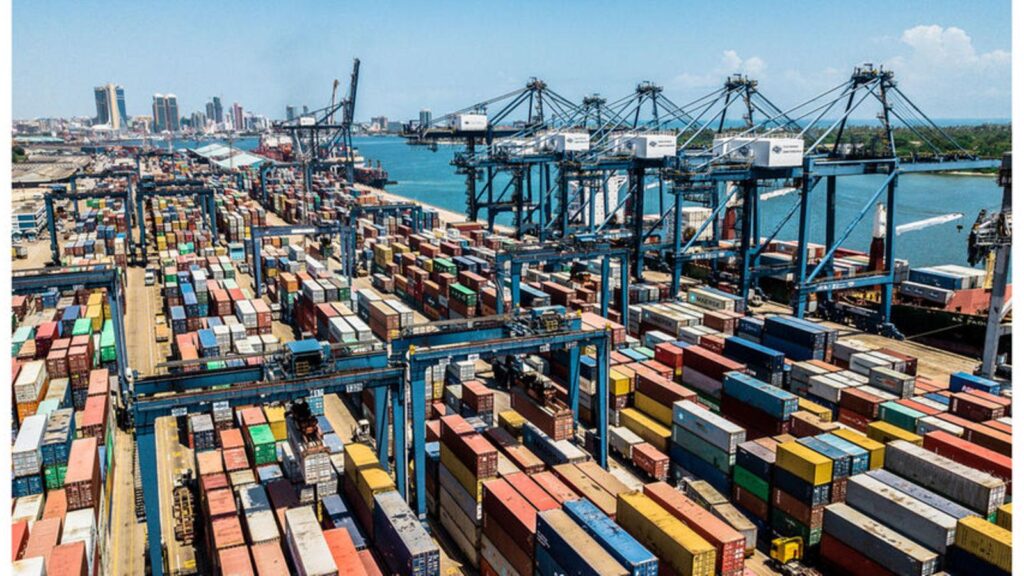
DAR ES SALAAM — Trade between Tanzania and China reached a record US$11.28 billion in 2025, representing a 27 percent increase, as the two countries seek to deepen economic cooperation through agricultural exports, infrastructure development and industrial investment.
Tanzanian Minister of Foreign Affairs and East African Cooperation Mahmoud Thabit Kombo disclosed the figures during a reception in Dar es Salaam marking the 77th anniversary of the founding of the People’s Republic of China.
Bilateral trade increased from US$8.17 billion in the previous year, reflecting the growing commercial relationship between the two countries.
Kombo said Tanzania must strengthen its domestic production capacity to secure a greater share of China’s consumer market, particularly as Beijing expands preferential trade arrangements with African countries.
He identified China’s zero-tariff initiative as an opportunity to increase agricultural exports, encourage value addition and accelerate Tanzania’s industrial development.
The Minister also called for closer cooperation between Tanzanian trade authorities and China’s General Administration of Customs to simplify product registration and market-access procedures.
Agricultural products, including soybeans, were identified among the commodities with potential to benefit from stronger trade cooperation.
Beyond agricultural trade, Kombo placed the modernisation of the Tanzania–Zambia Railway Authority (TAZARA) at the centre of future bilateral cooperation.
The railway, originally constructed with Chinese support in the 1970s, remains an important transport link between Tanzania and landlocked Zambia.
Its planned revitalisation is expected to improve regional freight movement and strengthen connections between Dar es Salaam and inland markets.
Chinese Ambassador to Tanzania Chen Mingjian reaffirmed Beijing’s commitment to expanding market access for Tanzanian products, highlighting the potential of zero-tariff arrangements to support economic diversification and industrial development.
The latest trade figures demonstrate the scale of Tanzania’s commercial relationship with China, while placing renewed attention on the country’s capacity to increase exports of locally produced and value-added goods.