PRETORIA, October 20, 2026 — South African President Cyril Ramaphosa says his government is intensifying efforts to expand trade with China and other major economies as the country prepares for the possibility of losing preferential access to the United States market.
Speaking to journalists on Monday, Ramaphosa identified China and India as important markets in South Africa’s strategy to diversify export destinations and protect the economy from international trade uncertainty.
The remarks come amid concerns about South Africa’s continued participation in the African Growth and Opportunity Act (AGOA), a United States trade programme that grants eligible African countries duty-free access for qualifying goods.
Ramaphosa pointed to China’s tariff-free market-access opportunities for African exporters as Pretoria considers ways to reduce its reliance on established export destinations.
China introduced a temporary zero-tariff preference scheme for 20 African countries that are not classified as least-developed economies, including South Africa, on May 1, 2026. The arrangement is scheduled to run until April 30, 2028, subject to the applicable rules of origin and import requirements.
South Africa’s Department of Trade, Industry and Competition welcomed the initiative as an opportunity to diversify exports and improve competitiveness in agricultural, industrial and value-added products.
China is South Africa’s largest bilateral trading partner, although South African exports to the Chinese market remain heavily weighted towards minerals and other commodities.
Pretoria wants to expand the share of manufactured and processed goods in its exports, a shift that could support industrial development, agricultural processing and employment.
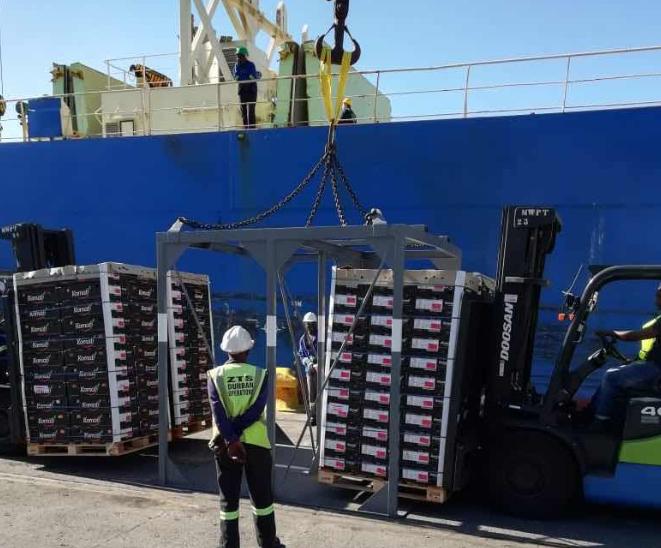
South African exporters nevertheless face practical hurdles, including meeting product standards, finding buyers and maintaining competitive transport and supply chains.
Trade diversification has become more urgent amid uncertainty over South Africa’s future commercial relationship with Washington. AGOA preferences have supported exports from sectors including automotive manufacturing and agriculture.
Ramaphosa has indicated that South Africa is preparing for different possible outcomes while continuing discussions with the United States and exploring closer economic ties with China, India and other markets.
China’s zero-tariff measures provide a potential opening, but preferential access alone does not guarantee increased sales. Exporters will need to develop commercial relationships and competitive products to make full use of the opportunity.
For African economies more broadly, the development highlights how changes in global trade policy are encouraging governments to seek a wider range of export destinations and deepen economic partnerships.
Ramaphosa’s latest remarks underscore South Africa’s determination to diversify trade while positioning China as an increasingly important market for its goods.