
NAIROBI — Kenya is reporting increased exports of agricultural products to China following the introduction of preferential market-access arrangements, as Nairobi and Beijing seek to deepen cooperation in trade, investment and industrial development.
Speaking during celebrations marking the 77th anniversary of the founding of the People’s Republic of China, Chinese Ambassador to Kenya Guo Haiyan said the new trade arrangements were beginning to produce measurable results.
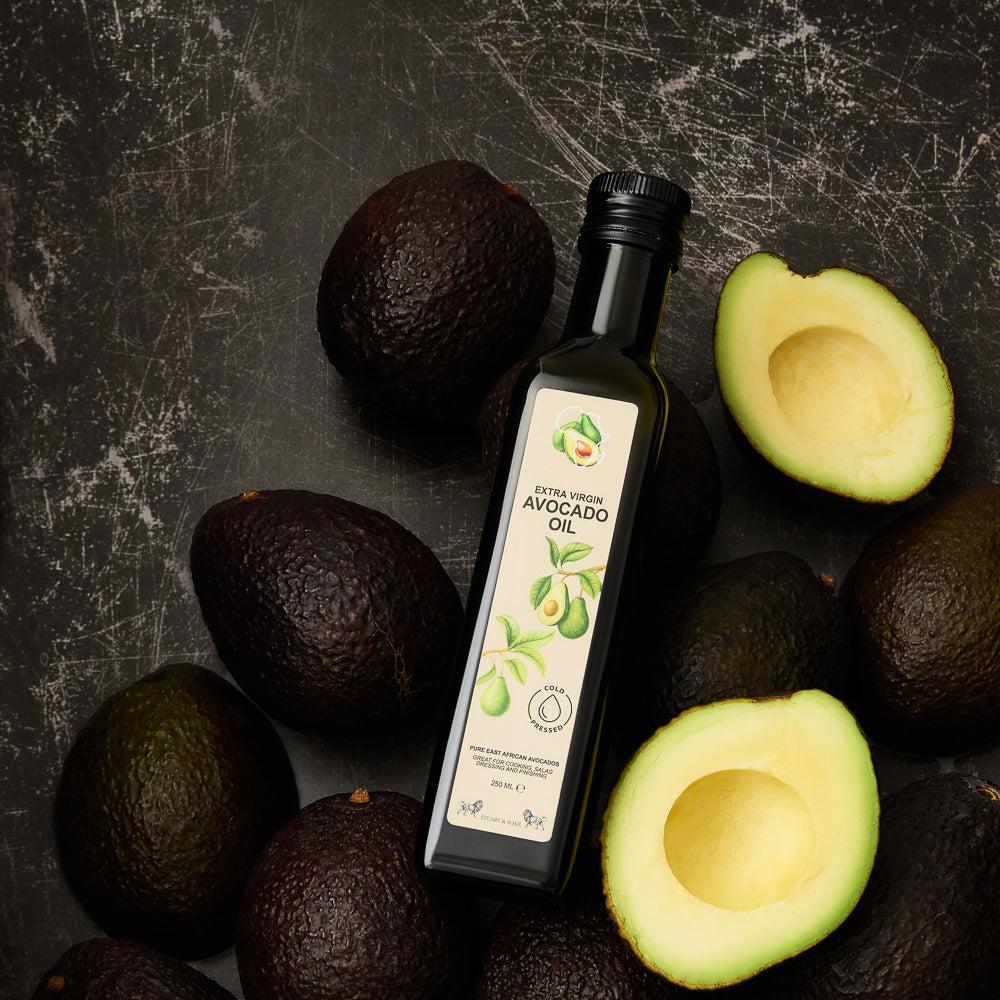
According to figures presented by the Ambassador, Kenyan avocado oil exports to China increased by 700 percent, while exports of aquatic products, including sea cucumber, rose by 350 percent.
Coffee exports had also nearly doubled by the end of August.
The figures were disclosed as the two countries reaffirmed their commitment to expanding economic cooperation and strengthening opportunities for Kenyan producers in the Chinese market.
Kenya’s Prime Cabinet Secretary and Cabinet Secretary for Foreign and Diaspora Affairs, Musalia Mudavadi, said the country was prepared to advance negotiations under the China–Africa Development Economic Partnership framework.
Kenya and China signed an Early Harvest Arrangement in March 2026, providing zero-tariff access for Kenyan products from May.
Mudavadi said the agreement had created opportunities for agricultural exports, particularly coffee, tea and avocados, while supporting value chains and employment.
The Chinese Ambassador also highlighted the importance of the upgraded green channel for African agricultural products, which is intended to facilitate market access and improve the movement of eligible exports into China.
Beyond trade, both countries identified infrastructure, energy, agriculture, education, science and technology as areas for continued cooperation.
The early export figures provide an indication of how preferential market access can translate into commercial opportunities for African producers.
They also highlight the growing importance of agricultural processing, export readiness and stronger connections between African suppliers and Chinese buyers as countries across the continent seek to make greater use of China’s consumer market.