
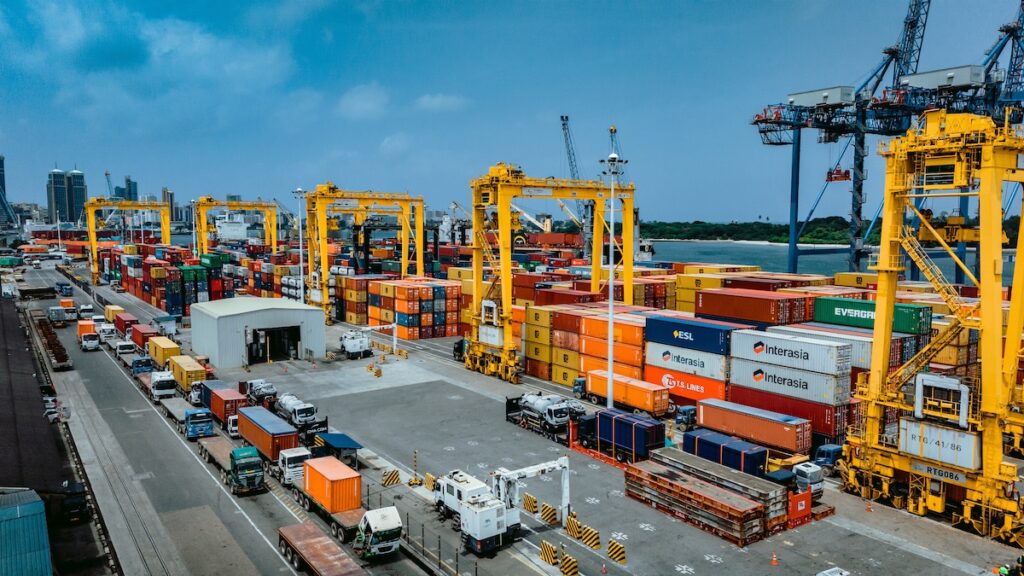
ARUSHA — The East African Community and China are moving toward a broader phase of cooperation focused on regional infrastructure, trade, digital transformation, green development and capacity building as the two sides deepen their longstanding partnership.
EAC Secretary General Stephen Mbundi and Chinese Ambassador to Tanzania and the EAC Chen Mingjian met at the bloc’s headquarters in Arusha on October 5, where they signed a Certificate of Donation confirming China’s continued annual financial support to the regional body.
China contributes US$180,000 annually to the EAC budget, supporting regional integration, institutional strengthening, trade promotion, election observation, strategic engagements and communication of the Community’s integration agenda, according to the East African Community.
Beyond the annual contribution, discussions between the two sides are increasingly focused on wider development cooperation with potential economic benefits across East Africa.
The EAC and China have identified infrastructure, trade, green development, the digital economy, technology and capacity building among areas where cooperation could expand.
Mbundi said the Community wants the partnership to translate shared priorities into a focused programme aligned with the 7th EAC Development Strategy and China’s Global Development Initiative.
The latest engagement builds on discussions held between the EAC Secretariat and China in June 2026, when both sides reaffirmed their intention to move beyond institutional support toward strategic initiatives that contribute to sustainable development, economic transformation and regional integration.
China has also supported capacity-building, professional training and knowledge-exchange programmes for EAC officials. In 2023, China donated eight vehicles valued at approximately US$400,000 to support EAC operations and regional coordination activities.
For East Africa, deeper cooperation could create opportunities to develop projects that operate across national borders rather than focusing only on bilateral investments.
A more structured EAC–China framework could also provide clearer entry points for Chinese investors and development institutions into regional transport, energy, digital infrastructure, industrialisation and trade-related projects serving the wider East African market.
The renewed engagement comes as the EAC continues to pursue stronger regional integration and improved connectivity across its partner states, while China seeks to expand cooperation with African regional institutions in areas tied to development, trade and technology.