
KINSHASA — Trade between the Democratic Republic of the Congo and China exceeded US$19.2 billion between January and July 2026, with the DRC recording a trade surplus of nearly US$10.6 billion as economic ties between the two countries continue to deepen.
The figures were announced by Chinese Ambassador to the DRC Zhao Bin, who described bilateral economic and trade cooperation as having reached a new high. The DRC is also among China’s three largest trading partners in Africa and remains a major destination for Chinese investment on the continent.
Available trade data indicates that Congolese exports to China reached approximately US$14.9 billion during the seven-month period, compared with around US$4.3 billion in imports from China.
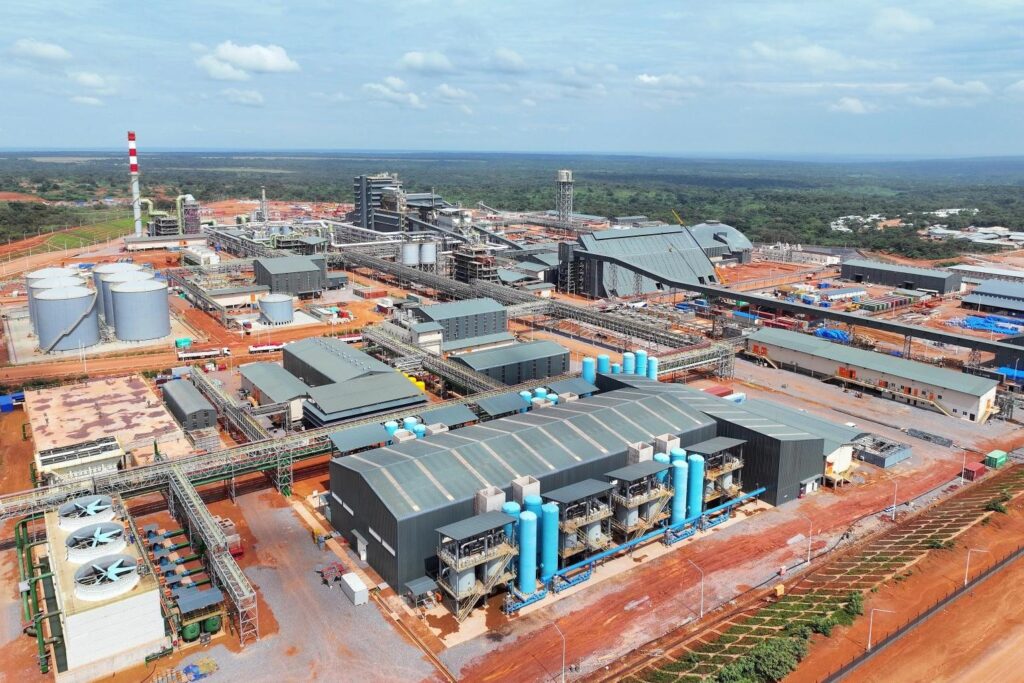
The relationship remains heavily driven by the DRC’s vast mineral resources, particularly copper. China is a major destination for Congolese minerals, which feed manufacturing industries including electric vehicles, batteries, electronics and renewable-energy technologies.
However, both countries are increasingly looking at opportunities to broaden economic cooperation beyond mining.
China has identified agriculture, mineral processing, infrastructure, clean energy, information technology, health, education and vocational training among areas with potential for expanded cooperation with the DRC.
The diversification push comes as China expands market access for African products. Since May 1, China has implemented zero-tariff treatment covering products from 53 African countries with which it maintains diplomatic relations, including the DRC.
Beijing has encouraged Congolese businesses to make greater use of the arrangement and increase exports beyond minerals. China has also been expanding market-access channels for African agricultural and food products, including coffee, cashew nuts, dried chillies and aquatic products.
For the DRC, the US$10.6 billion trade surplus demonstrates the scale of demand from the Chinese market, but the concentration of exports in minerals also highlights the opportunity to develop domestic processing and diversify into other products.
Greater local mineral processing could allow the country to capture more value from its natural resources, while expanded agricultural exports could broaden the benefits of its growing trade relationship with China.
With bilateral trade already above US$19 billion in only seven months, the next phase of DRC–China economic cooperation is increasingly turning towards whether growing trade can support greater local value addition, industrial development and diversification.