
GABORONE, Nov. 9 — Botswana’s citrus industry has secured access to the Chinese market following a decision by Chinese customs authorities to permit imports of four varieties of fresh citrus, opening a new opportunity for the southern African country’s agricultural exporters.
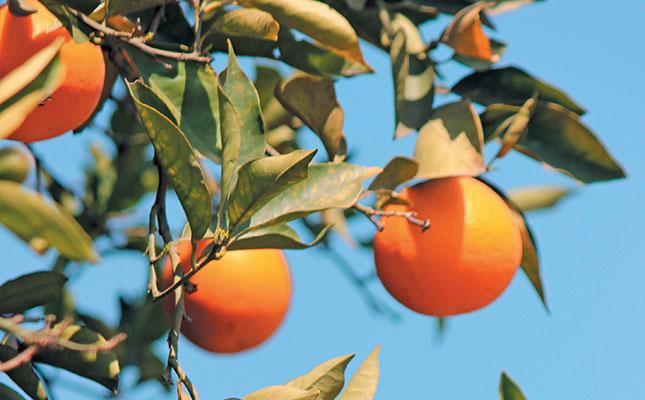
The General Administration of Customs of China announced on October 27 that fresh oranges, mandarins, lemons and grapefruits produced in Botswana would be eligible for import, provided they meet specified phytosanitary and quality requirements.
The decision follows President Duma Boko’s state visit to China in October, during which the two countries agreed to expand trade in agricultural products and address technical barriers affecting Botswana’s access to the Chinese market.
The development represents an important step in Botswana’s efforts to diversify its export destinations and reduce dependence on traditional markets.
However, gaining regulatory approval does not automatically translate into commercial exports. Botswana’s producers must first satisfy a series of requirements covering orchard registration, packaging, pest management, traceability and transportation.
Under the new arrangements, orchards, packing houses and cold-treatment facilities intending to export citrus to China must be inspected and jointly approved by the relevant authorities in Botswana and China.
Exporters will also be required to maintain systems capable of tracing fruit to its orchard of origin, while consignments must undergo prescribed cold-treatment procedures to prevent the introduction of agricultural pests into China.
During the first two years of trade, Botswana’s authorities will be required to conduct phytosanitary sampling inspections at a rate of two percent per consignment. The inspection rate may subsequently be reduced to one percent if no phytosanitary problems are detected.
The new market access comes as Botswana seeks to expand commercial citrus production, particularly through the Selebi Phikwe Citrus Project, one of the country’s major agricultural investments.
The project has been developed to supply domestic and international markets, with citrus production increasingly forming part of Botswana’s broader agricultural diversification strategy.
In his State of the Nation Address delivered on Monday, President Boko reported that Botswana exported approximately 10,500 tonnes of citrus during the 2025/26 financial year, accounting for about 20 percent of exports in the plant-and-plant-products subsector.
He said Botswana’s citrus fruits were mainly exported to the European Union, Asia, North America and other African markets.
China’s decision also comes against the backdrop of its zero-tariff policy covering 53 African countries with which it maintains diplomatic relations, creating opportunities for qualifying agricultural products to enter the Chinese market without import duties.
For Botswana, the immediate priority will be ensuring that local producers and export facilities meet China’s regulatory requirements while establishing reliable commercial relationships with Chinese importers and distributors.
The opening of the Chinese market could encourage further investment in citrus production, cold-chain logistics, packaging and agricultural processing, provided exporters can establish commercially viable supply arrangements.
No confirmed date for Botswana’s first citrus shipment under the newly announced market-access arrangements has been established.
The development nevertheless marks a further step in translating Botswana–China agricultural cooperation into potential export opportunities for local producers.