
GABORONE, Nov. 25 — Botswana’s expanding copper mining industry could provide a foundation for the development of domestic manufacturing and mineral processing industries, as China increasingly supports African countries in their efforts to retain greater economic value from their natural resources.
With Botswana seeking to diversify its economy and reduce its dependence on diamonds, growing investment in copper mining presents an opportunity for the country to move beyond mineral extraction towards the production of higher-value industrial goods.
Copper is a critical component in electricity transmission, renewable energy infrastructure, electric vehicles, telecommunications and industrial machinery. Growing global investment in clean energy and advanced manufacturing is expected to sustain demand for the metal, creating opportunities for resource-rich countries to participate in downstream industries.
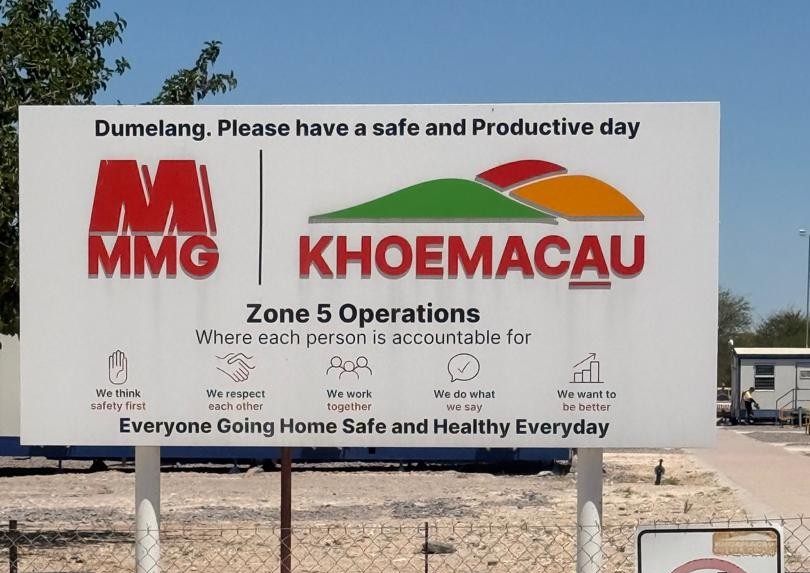
The expansion of the Chinese-owned Khoemacau Copper Mine represents a significant development in Botswana’s copper industry. MMG Limited is undertaking an expansion project expected to increase the mine’s annual production capacity from approximately 60,000 tonnes to 130,000 tonnes of copper in concentrate.
While the expansion is expected to generate employment and increase mineral export earnings, it could also strengthen the case for attracting investment into further mineral processing and copper-based manufacturing.
Potential industries include electrical cable manufacturing, solar power cables, industrial wiring, electrical components and other copper-based products used in construction, mining, agriculture and energy infrastructure.
China, which has established extensive industrial capabilities in copper processing and electrical equipment manufacturing, could become an important partner in developing such industries through joint ventures, technology transfer, capital investment and technical training.
During Botswana President Duma Boko’s state visit to China in October, the two countries signed cooperation documents covering green minerals and human resource development, among other areas, following the elevation of bilateral relations to a comprehensive strategic cooperative partnership.
The agreements provide a framework for expanding cooperation in mineral development and industrialisation, although no specific copper manufacturing facility has been announced under the partnership.
Botswana’s membership in the Southern African Development Community and the African Continental Free Trade Area could also provide access to wider regional markets for locally manufactured copper products.
Increasing investment in renewable energy, electricity transmission, mining and infrastructure across Southern Africa presents potential demand for electrical cables and other industrial components.
However, establishing a competitive copper manufacturing industry would require reliable electricity, appropriate industrial infrastructure, access to refined copper, specialised technical skills and commercially viable markets.
The production of copper concentrate does not automatically translate into manufacturing capacity, as additional processing and refining would be required before the metal could be used in the production of electrical cables and other finished goods.
Partnerships between Botswana enterprises and established Chinese manufacturers could help address some of these challenges through phased investment, beginning with industrial assembly and gradually expanding into more advanced manufacturing as commercial conditions permit.
Such partnerships could also create opportunities for citizen-owned businesses in engineering, equipment maintenance, logistics, packaging and industrial supply services.
For Botswana, the development of a copper-based manufacturing industry would represent an important step towards economic diversification, potentially creating skilled employment, expanding the country’s industrial base and increasing the value of its exports.
As Botswana and China deepen their economic cooperation, the next chapter of the country’s mining industry could increasingly be defined not only by the minerals it extracts, but also by the products it manufactures.