
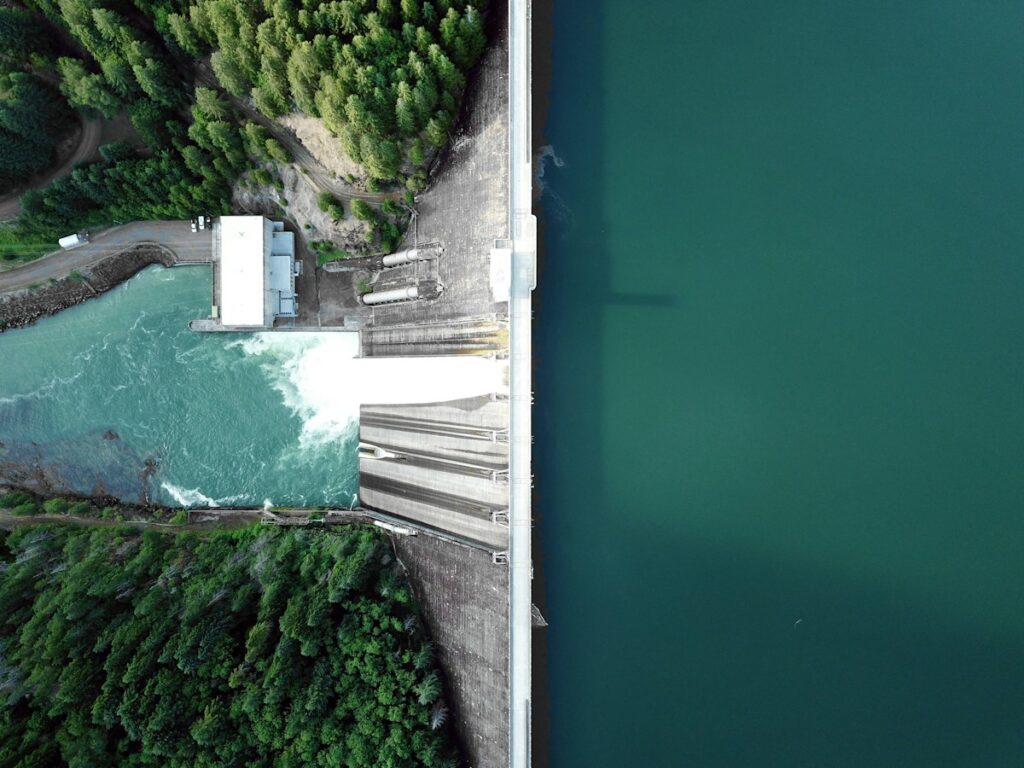
NAIROBI, Nov. 14 — Kenya has set April 2027 as its latest target for beginning water impoundment at the China-built Thwake Multipurpose Dam, as authorities seek to complete one of the country’s major water infrastructure projects.
Principal Secretary for Water and Sanitation Julius Korir told a parliamentary committee that construction of the project had reached approximately 94.2 percent completion, with work continuing on outstanding components.
Located at the confluence of the Athi and Thwake rivers along the Makueni-Kitui county border, the project is being constructed by China Gezhouba Group Company Limited.
The dam forms part of Kenya’s Vision 2030 development programme and is intended to improve water security, support irrigation and create opportunities for electricity generation.
Its storage capacity is designed to reach approximately 688 million cubic metres.
The broader development programme includes plans to supply about 150,000 cubic metres of treated water daily to an estimated 1.3 million people in Makueni, Kitui and the Konza Technopolis area.
Further phases envisage irrigation development covering approximately 40,000 hectares and a hydropower component with planned generating capacity of 20 megawatts.
The latest April 2027 impoundment target follows earlier government projections that water storage could begin sooner.
An African Development Bank implementation review in October referred to January 2027 as the government’s target, highlighting the importance of distinguishing proposed schedules from completed work.
The bank has also called for progress on financing, environmental safeguards, contractor mobilisation and concerns raised by communities affected by construction activities.
The project has experienced delays, and the 94.2 percent completion figure has appeared in earlier assessments. It should therefore not be interpreted as evidence of a substantial new increase in physical progress.
Once completed, the dam is expected to support agricultural production, water supply and economic activity in Kenya’s Lower Eastern region.
Attention will now turn to whether outstanding technical, financial and social issues can be resolved in time for the revised impoundment target.