
LUSAKA, October 18 — Zambia has signed a new skills development agreement with Chinese partners aimed at preparing its workforce for the revitalisation of the Tanzania–Zambia Railway (TAZARA), while expanding technical training in artificial intelligence, electric vehicles, renewable energy and other emerging industries.
The Technical Education, Vocational and Entrepreneurship Training Authority (TEVETA) announced the agreement on Saturday, saying the memorandum of understanding was signed with the China Nonferrous Metals Industry Talent Center and international partners during a vocational education conference in China.
The partnership will facilitate scholarship opportunities at Chinese polytechnics, strengthen the capacity of Zambian instructors and support competency-based training in sectors critical to industrial development.
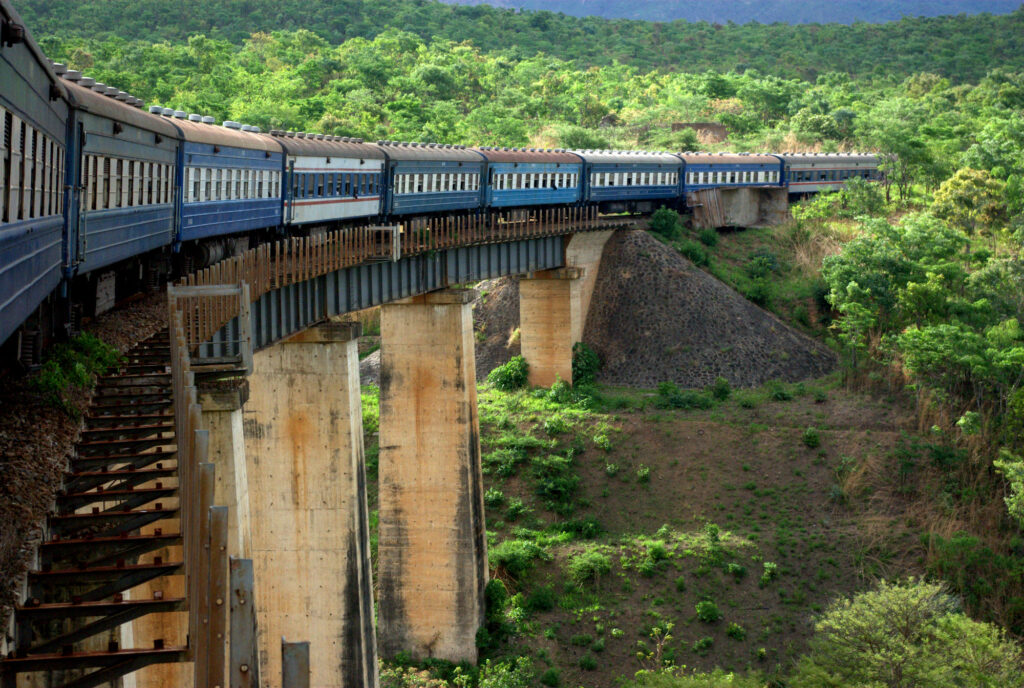
A central objective is to develop the technical workforce required to support the rehabilitation and long-term operation of TAZARA, the strategic railway connecting landlocked Zambia to Tanzania’s Indian Ocean transport network.
Beyond railway engineering, the partnership targets skills in cybersecurity, artificial intelligence, electric mobility and new energy technologies, reflecting growing efforts to connect vocational education with industrial transformation.
The initiative highlights a broader dimension of China–Africa cooperation: developing the human resources required to operate, maintain and benefit from major infrastructure investments.
For Zambia, which is seeking to strengthen manufacturing, mining-related industries and regional transport connectivity, access to specialised technical training could help address skills shortages while creating new employment opportunities.
The agreement follows earlier commitments by China, Tanzania and Zambia to strengthen human resource development under the TAZARA Railway Prosperity Belt initiative.
Its implementation will be an important measure of whether technical education partnerships can translate into stronger local industrial capabilities and sustainable economic opportunities.
TEVETA has not yet disclosed the number of scholarships available, the financial value of the agreement or a detailed implementation timetable.
Nevertheless, the new partnership signals an effort to ensure that Africa’s infrastructure modernisation is accompanied by investment in the people who will operate and sustain it.